
A proposal about how landscape can become physically embedded within the artwork through processes of transfer, imprint, abrasion, pressure, heat, and time.
Describe your art practice:
I am a visual artist working across photography and material-based processes, with a practice centred on environmental memory, transformation, and the relationship between image and surface. My work extends beyond traditional photographic outcomes, using analogue and experimental techniques to explore how images can be altered through physical, chemical, and environmental interaction.
A key focus of my practice is the disruption of the photographic image—treating it not as a fixed representation, but as a mutable surface. Through processes of layering, exposure, degradation, and reworking, I investigate how time, environment, and material conditions shape both the image and its meaning.
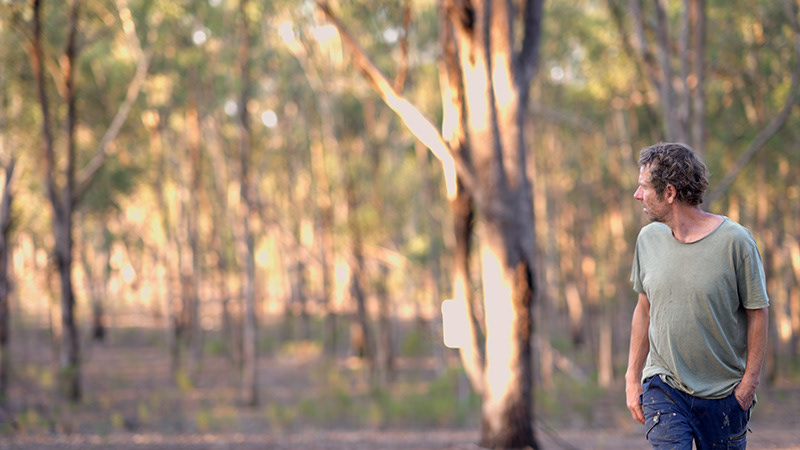
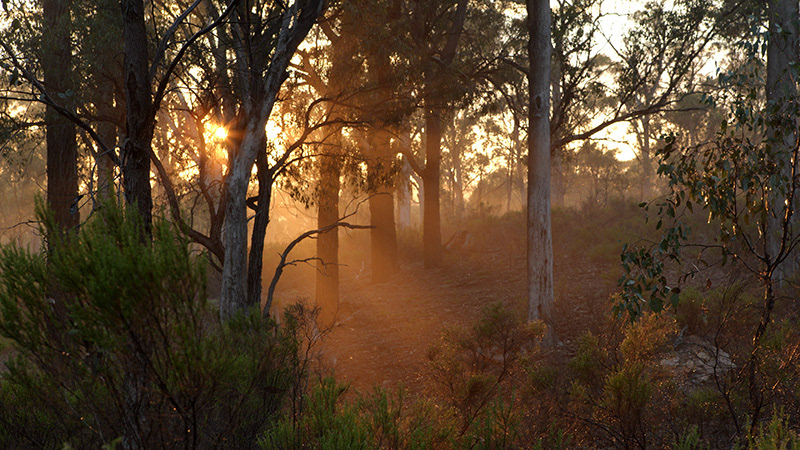
Alongside my studio work, I am currently developing a 47-acre bush property as a fully off-grid studio environment. This site functions as an ongoing space for research and making, where I engage directly with land, climate, and ecological systems as active components in the production of work. This has strengthened my commitment to process-led, site-responsive practice, where outcomes are informed as much by environmental conditions as by artistic intent.
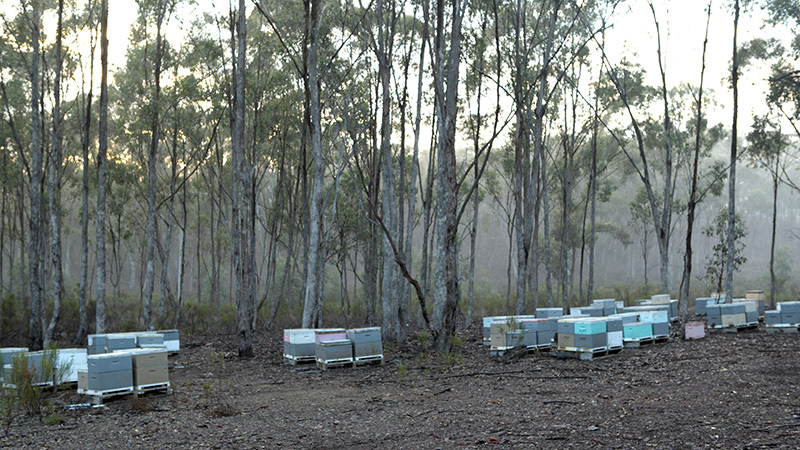
My engagement with environmental systems is further informed by field-based experience, including conservation work in orangutan habitats and recent collaboration with Farmers for Climate Action. I am also currently working with the Victorian Apiarists Association, supporting member awareness around varroa mite biosecurity measures while maintaining beehives on my property. These experiences extend my understanding of ecological and agricultural systems beyond the studio, and continue to inform both the material and conceptual direction of my work.
How might your work translate land, ecology and/or place?
My work translates land and ecology through direct material engagement rather than representation. Instead of depicting landscape, I use it as an active agent within the making process.
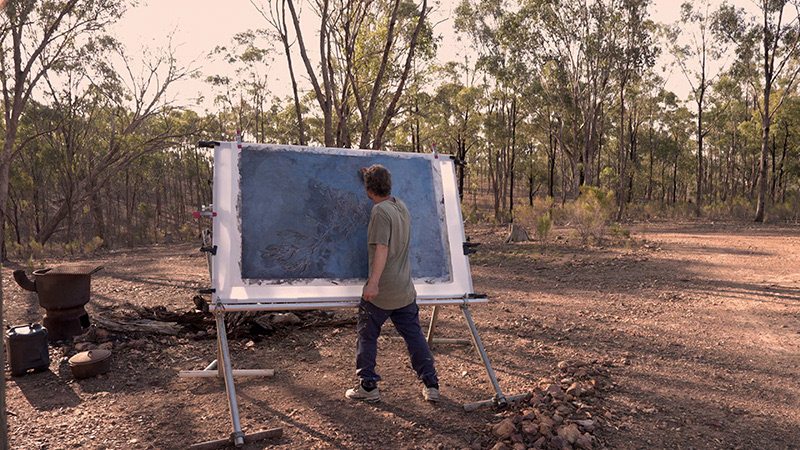
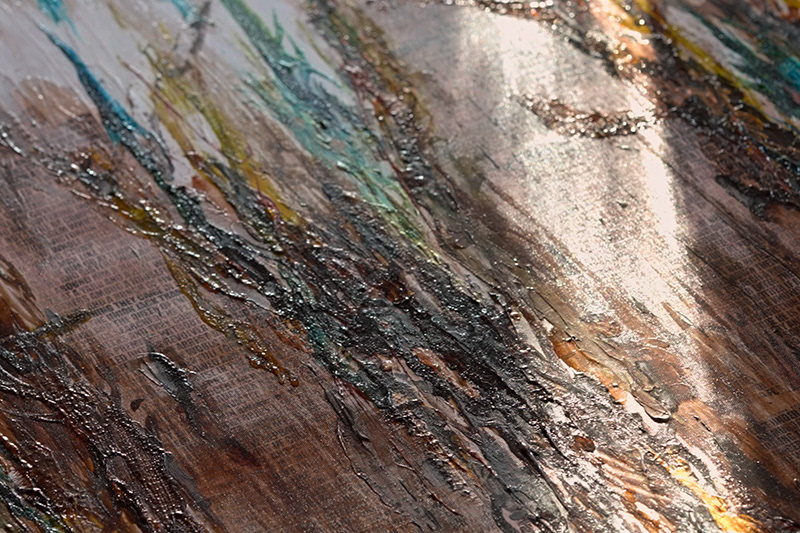
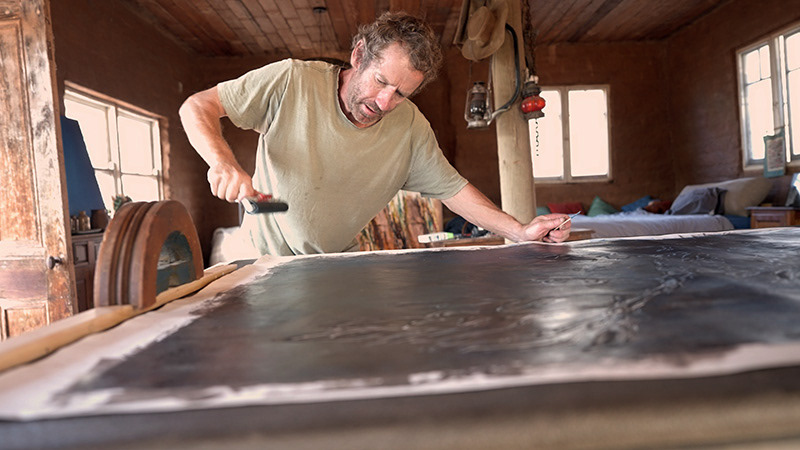
Through experimental photographic and surface-based techniques, I incorporate elements such as water, soil, organic matter, and environmental conditions—sunlight, moisture, and temperature—into the development of each work. Materials may be exposed to the elements, altered over time, or physically embedded within the landscape, allowing natural processes to leave trace, residue, and disruption on the surface.
This approach creates works that carry the physical imprint of place. The resulting images are not static records, but accumulations of interaction—where ecological systems, agricultural context, and environmental variability shape both form and meaning. This approach is informed by direct experience working within both conservation and agricultural contexts, and an ongoing engagement with the complexities of land use and environmental change.
Within the context of The Farm Margaret River, I am particularly interested in the intersection of cultivated and natural systems, and how cycles of growth, intervention, and decay can be translated through material transformation
How would the residency benefit your artistic practice?
The residency would provide a critical opportunity to expand my practice within a new environmental and agricultural context, allowing me to develop more ambitious, site-responsive work.
Access to The Farm Margaret River’s landscape, along with the time and support to work intensively on site, would enable a deeper level of material experimentation and environmental interaction than is possible within a conventional studio setting. The residency’s duration is particularly valuable, allowing works to evolve through time-based processes and direct exposure to changing conditions.
The opportunity to engage with local networks, receive mentorship, and present the work within a community context would further support the development and visibility of my practice. Professional documentation of the project would also contribute to future exhibitions, funding opportunities, and broader engagement.
At this stage in my practice, the residency represents a meaningful extension of my ongoing exploration of land, process, and material—offering a context that cannot be replicated elsewhere.
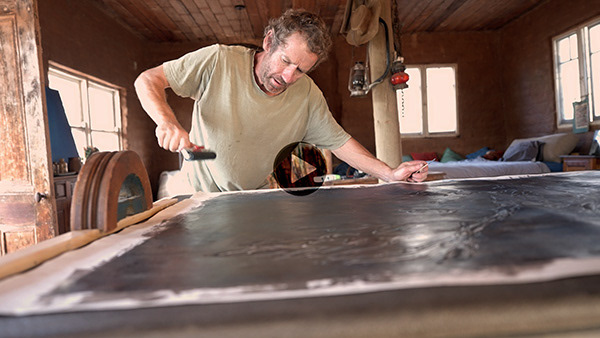
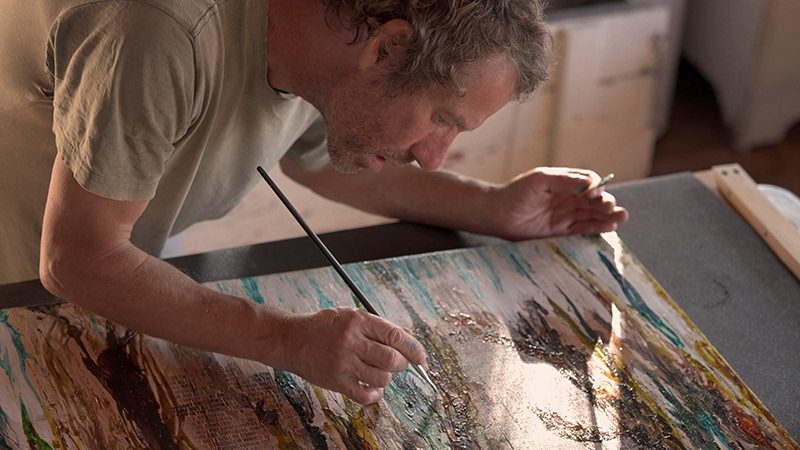
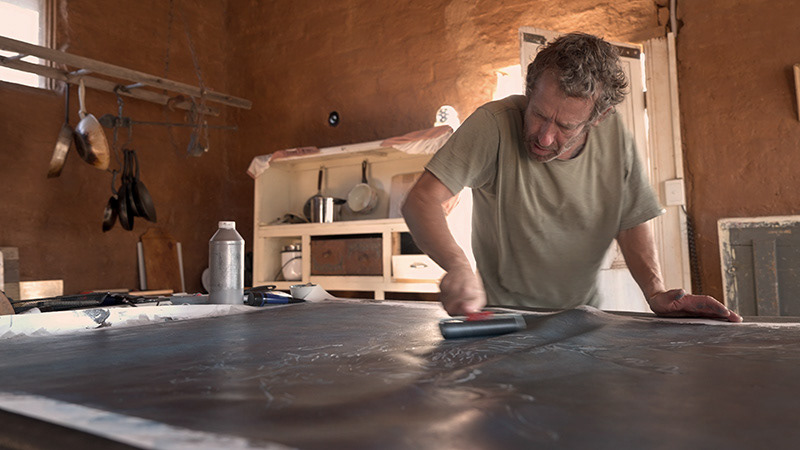
Process documentation filmed at my off-grid bush studio.
The video shows works developed through direct interaction with landscape, materials, and environmental conditions.
Have you been to a residency before?
I have not previously undertaken a formal artist residency. However, my current practice is deeply aligned with the conditions of a self-directed residency model. Through the ongoing development of my off-grid studio on a 47-acre bush property, I have established a sustained, independent working environment that supports long-term, site-responsive investigation.
This experience has equipped me with the ability to work autonomously, adapt to changing conditions, and develop work through extended periods of research and experimentation.